A higher dose doesn’t mean better absorption. Learn how solubility, stability and delivery systems like beadlets decide how much of a nutraceutical works.
Written By
Aishwarya
Published on
07 October 2026
Tags
When selecting a nutraceutical, it's easy to assume that the more there is of something, the more will reach your body. However, the number on the label is only part of the story.
Once ingested, an ingredient goes through several processes before it's ready for absorption. An ingredient may need to remain stable, stay soluble in the gastrointestinal tract, survive digestion, and reach the absorption site. Poor solubility, poor stability, or environmental factors affecting the ingredient mean that increasing the dosage will not solve the formulation problem.
Consider two medicines with the same active ingredient at similar or even different doses; however, they perform differently because of differences in particle size, formulation, solvents, and delivery mode.
This is the reason why formulation of nutraceuticals has become more of an interest not just in the quantity of the ingredient used in the supplement but also in how the ingredient will be formulated, as well as its effects once ingested.
In other words, a supplement's effectiveness doesn't depend only on how many milligrams of an ingredient it contains; how it is delivered matters, too.
As mentioned above, the ingredient level in the supplement does not automatically mean the same level will be absorbed into the body. Consumption triggers several steps in digestion, and the ingredient faces a variety of influences during this period.
First, the drug needs to dissolve from the drug dosage form. It may dissolve in the surrounding digestive fluids. After that, the drug moves toward the intestinal wall to be absorbed into the bloodstream.
Some nutraceuticals are harder to dissolve because of several factors. For instance, some ingredients may lack water solubility, while others may be vulnerable to variations in pH, the digestive environment, moisture, oxygen, and enzymes. Ingredients can also degrade before absorption.
In such cases, product formulation becomes crucial. Particle size, composition, and other parameters affect the substance's behavior during digestion.
That is why the path from supplement to absorption is more than swallowing a dose. The ingredient must be available in the right form and stable enough to survive digestion.
Understanding this path helps explain why creating a nutraceutical isn't just about choosing the active ingredient and setting the dosage. It also involves creating the right environment for the ingredient to function properly.
As the ingredient passes through the digestive system, it faces a key challenge: solubility. Before the body can absorb ingredients, they must dissolve in the gastrointestinal tract's fluids.
If an ingredient has low solubility in water, it will not dissolve even if there is enough of it in the supplement. This means that some part of the ingredient will not dissolve.
This creates a critical formulation issue because increasing the amount of a poorly soluble material will not always solve the problem. If the newly added material is equally poorly soluble, increasing the dosage will only increase the amount that remains undissolved.
This means formulators can improve the material's behavior in its surroundings. Techniques include reducing particle size, changing physical form, using appropriate excipients, or delivering it through a specialized delivery system.
It all depends on the particular component. Consider its chemical characteristics, stability, dosage, purpose, and compatibility with other formulation ingredients.
That is why solubility isn't just a technical aspect of a problem. It can become a critical bridge between how much of a component you add to the supplement and how much the body absorbs.
The journey of the active substance may not start when the consumer starts taking the supplement. The active substance could have been destabilized even during production and handling.
Consider an active substance as being surrounded by its environment throughout its process cycle. For instance, heat, light, oxygen, and moisture may influence the sensitive active substances differently.
Heat can contribute to the deterioration of temperature-sensitive materials. Light can influence photosensitive components, whereas oxygen can cause oxidation in some sensitive actives. Moisture can affect hygroscopic components and also affect the formulation's physical properties.
It depends a lot on the component itself. Some actives are fairly stable, but others need much more protection. This is why stability testing is crucial in nutraceutical formulation.
Formulators can use various tactics based on the nature of the active, including protective coating, encapsulation, appropriate excipients, good process control, and good packaging.
Therefore, it is not only “How much active was used?”
It is also: “How much of this active is still there at the time of consumption?” This is where protection comes into play within formulation.
However, two supplements that have the same active ingredient and even the same dosage might have different effects after incorporation into the formulation. This is because an active is never used in isolation; it reacts with the surrounding materials.
The ingredient's physical state can affect it. Factors such as particle size, surface area, crystallinity, and dispersion affect how quickly the active reacts with other ingredients. Other ingredients in the formulation can also affect the behavior of the active.
Dosage form is also important. Including an active in a powder, granule, beadlet, coated particle, capsule, or other dosage form may mean the active experiences different conditions before becoming available. For instance, a coating can act as a physical barrier, whereas a different formulation approach might enhance dispersion or protect a sensitive active.
Even the manufacturing process can affect the active's characteristics. Processing temperature, drying, particle formation, coating, and storage conditions may all contribute to differences between two formulations of the same active.
This is one reason relying only on the ingredient name and milligrams can be misleading when comparing such products. The important question here would be:
What kind of preparation has been done to make this ingredient perform in its surroundings?
It could be the same ingredient, but the formulation environment can be totally different.
Now that we have identified the issues we must solve to incorporate a particular ingredient into a formulation, the next step is to ask how to deliver it.
How an ingredient is delivered may affect its fate in the body. Rather than just including an ingredient in a formulation, the formulator can design the particle, matrix, coating, or carrier around it.
For instance, if an ingredient is susceptible to moisture or oxygen, it needs a protective environment for storage and handling. If an ingredient disperses poorly, the formulation should be in particle form to improve dispersibility. A coated particle is another way to increase the separation between the active and its surroundings.
The point is not to formulate a more complex dosage form. The point is to match the delivery system to the ingredient's weakness.
The delivery system itself may affect different parts of the process. Particle engineering may change the ingredient's surface area and/or its dispersion. A coating can protect the ingredient from something and/or change how it interacts with the surrounding environment. Encapsulation allows you to choose a specific carrier material, while beadlets and granules offer even more control over the ingredient’s physical properties.
This is especially vital when an ingredient’s formulation faces multiple challenges. There may be a need to protect the ingredient both during processing/storage and upon consumption. In such cases, the delivery system becomes an integral part of the formulation.
But there isn’t one delivery technology that will work well with all actives. Various factors dictate the choice, including chemical nature, solubility, stability, environmental sensitivity, dosage, target dosage form, and manufacturing requirements.
That is why modern nutraceutical formulation goes beyond how much active is included. The better question is how this active is formulated to ensure its stability, availability, and performance inside the formulation.
The right delivery technology will not alter the substance itself. It will alter the environment in which the substance functions. That may result in considerable effects.
Each active compound brings its own formulation difficulties. It may not be soluble enough; it may be sensitive to temperature and moisture; it may degrade in oxygen, light, or the environment after ingestion. Treating these attributes as constraints may make formulation development challenging. However, they can also serve as starting points for formulation development.
First, determine what makes the ingredient vulnerable. If poor solubility is the main issue, the formulation should focus on dispersion, particle size, or the ingredient's physical state. If stability is an issue, the formulation should focus on protecting it from those factors.
Sometimes, the active will have multiple issues. This could include moisture- and oxygen-sensitivity in one active and poor solubility and stability in another. In this situation, adding more of the active will not solve the problem. The formula must address all these issues.
In this regard, particle engineering and delivery systems are useful formulation techniques. They let you select particle features such as size and shape, as well as coatings, based on the ingredient's requirements. Of course, the goal isn't to use technology for its own sake, but to create a proper formula.
The same holds for the final dosage form. Whether it is a powder, a granule, a beadlet, a capsule, or a tablet, it could place specific demands on the same ingredient. Manufacturing conditions, storage conditions, active loading, and the desired consumer experience can all affect which option works best for the ingredient.
In the end, good formulation starts with a simple question: What is the ingredient having problems with?
Once that is determined, then the formulation can be made based on the answers – protection of a sensitive active, solving problems of low solubility, protecting the active from the environment, and giving it proper physical attributes.
Adding a compound to the formula may seem like the simplest way to enhance supplement content; however, it is only the tip of the iceberg. To be effective, the component must survive the conditions it passes through before entering the body.
If the issue is related to solubility or to temperature, humidity, light, or even air exposure, it is nearly impossible to fix it by increasing the component's dosage. This means the formulation should account for the ingredient's limitations.
At Umang Nutraceuticals, we develop ingredient delivery solutions designed around each active's specific characteristics and challenges. We offer customized beadlets for gummies, chewing gum, whey powder, tablets, food fortification, beverages, and protein powder. Our approach keeps ingredients stable and performing as intended in the finished formulation. Let’s develop a smarter delivery approach for your next nutraceutical product.
Aishwarya
25 August 2026
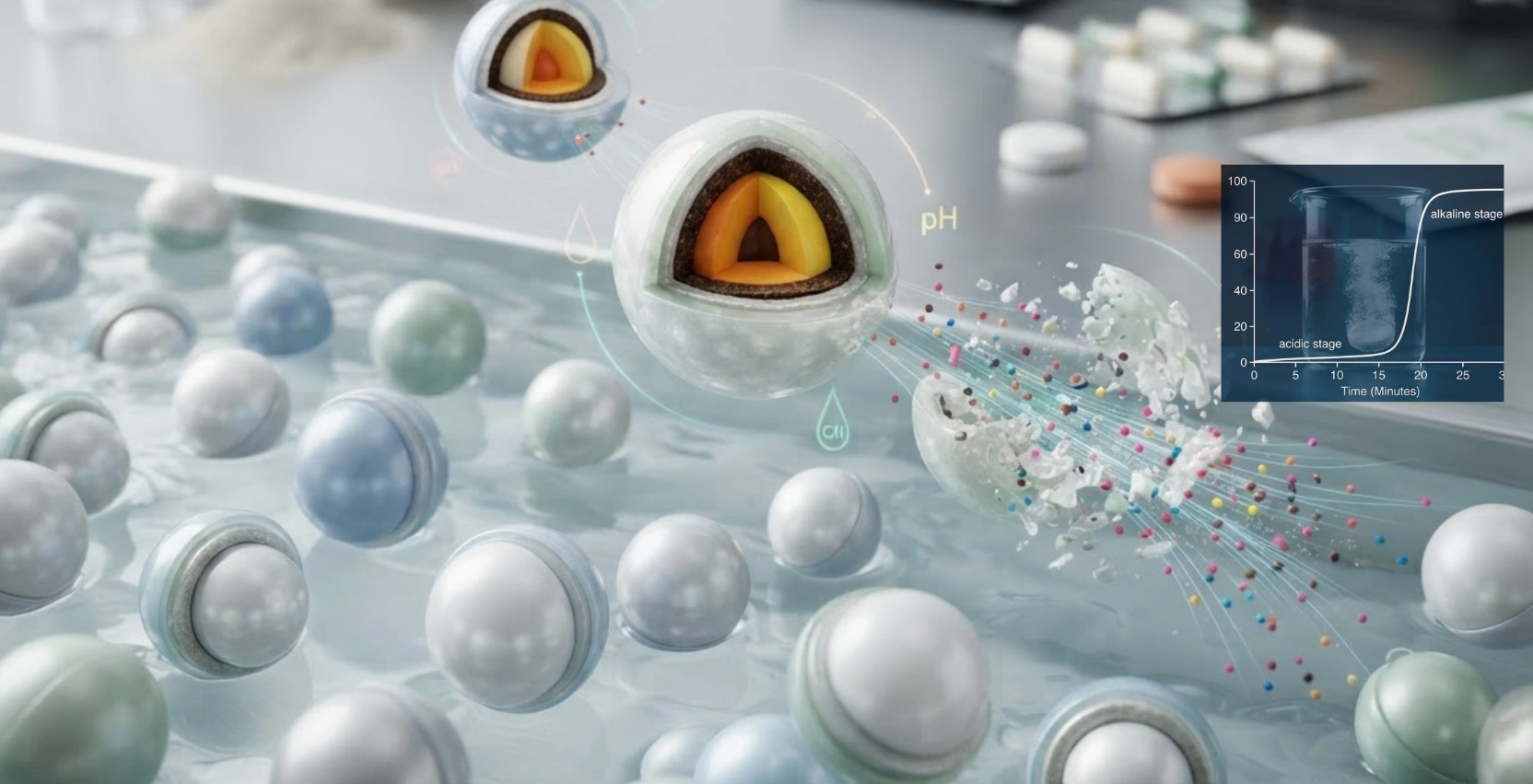
Discover how enteric-coated beadlets protect sensitive nutraceuticals from stomach acid and enable controlled release in the intestinal environment.
Read More →
Aishwarya
07 August 2026
Discover how encapsulated amino acids improve sports nutrition formulations with better taste masking, enhanced stability, ingredient compatibility, and versatile applications.
Read More →

Aishwarya
03 September 2026
Discover how encapsulation transforms challenging nutraceutical ingredients into stable, formulation-ready ingredients for innovative supplement products.
Read More →
Aishwarya
07 August 2026
Discover how encapsulated amino acids improve sports nutrition formulations with better taste masking, enhanced stability, ingredient compatibility, and versatile applications.
Read More →
Aishwarya
29 August 2026
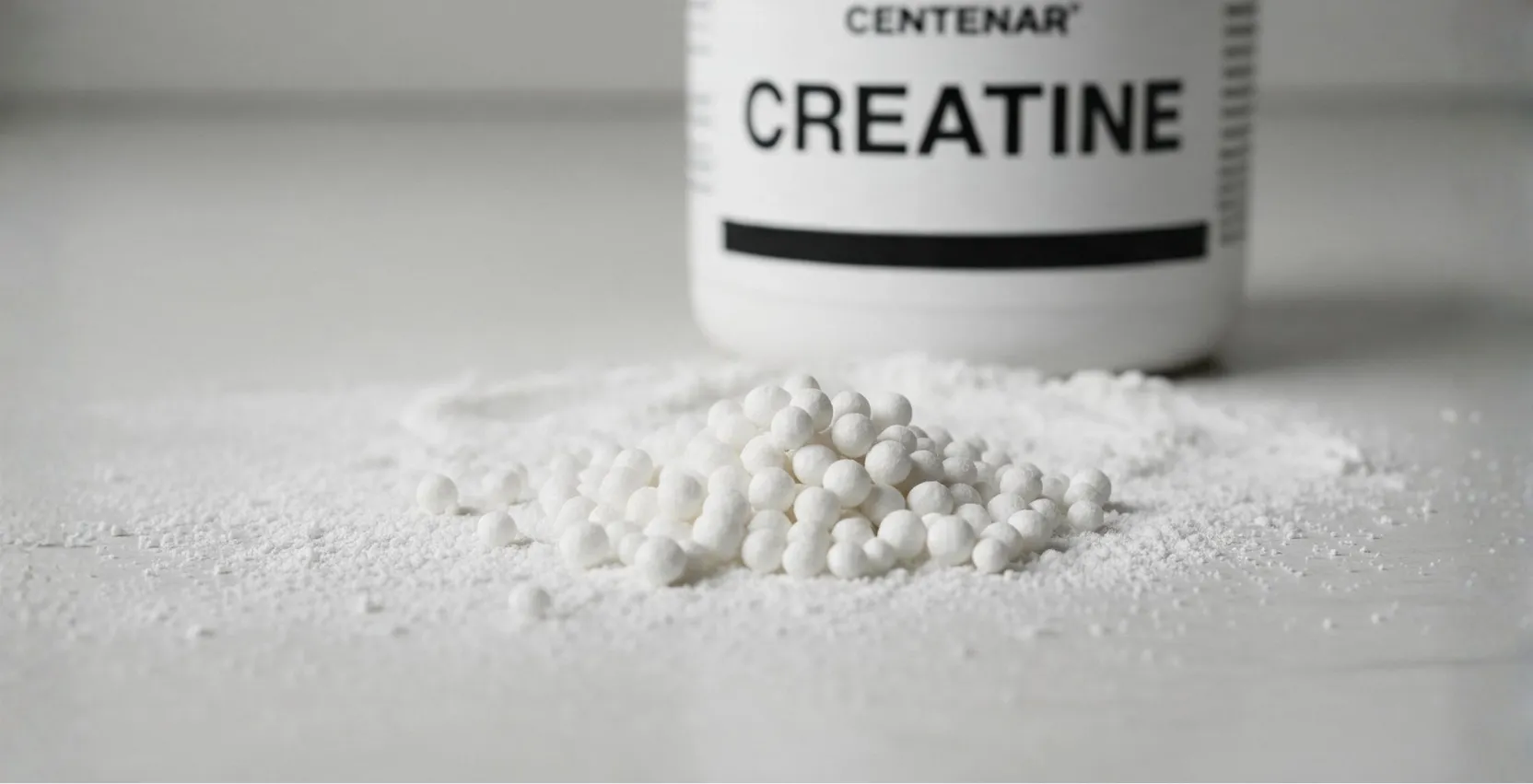
Discover how encapsulated creatine can improve stability, taste, compatibility, and processing while enabling gummies, RTD beverages, capsules, bars, and other formats.
Read More →
Aishwarya
25 August 2026
Discover how enteric-coated beadlets protect sensitive nutraceuticals from stomach acid and enable controlled release in the intestinal environment.
Read More →

INDIA - CORPORATE OFFICE
Unit No. 1, 2nd Floor, Vicino (Mega Mall), New Link Rd, Oshiwara, Andheri West, Mumbai, Maharashtra, India. 400102
MANUFACTURING FACILITY
Unit No. 1, Survey No. 52/2, NH8, Shirsad, Vajreshwari Road, Opp. Mandvi Police Station, Village - Mandvi, Taluka- Vasai, District- Palghar 401 303, India.