Discover how enteric-coated beadlets protect sensitive nutraceuticals from stomach acid and enable controlled release in the intestinal environment.
Written By
Aishwarya
Published on
25 August 2026
Tags
Enteric coating is a protective coating applied to an active compound or dosage form to ensure it does not release in the acidic environment of the stomach. This coating is supposed to stay intact until it reaches the intestines, where the pH is higher, and then release the ingredient.
When making nutraceuticals, enteric coating can protect sensitive compounds from stomach acid or ensure the compound is released in the intestine. How well the coating works depends on several factors.
Nutraceutical compounds may be affected by the acidic environment in the stomach, which can reduce their stability before they reach the intestine. Enteric coating creates a protective mechanism for the ingredient as it passes through the stomach.
Sensitivity to acidic gastric conditions
Some nutraceutical compounds may be unstable or undergo chemical reactions under low gastric pH conditions. Enteric coating limits direct exposure of the nutraceutical formula to these conditions.
Protection during digestion
The enteric coating protects the active substance from destruction by stomach acids as it passes through. This ensures the integrity of the encapsulated drug until the desired release.
Maintaining ingredient stability
However, some compounds benefit from minimizing contact with gastric acids. Enteric coating can help keep the compound stable by shielding it from the effects of the gastric stage.
Reducing unwanted degradation
If there is no protection, the drug meant to be released in the intestines might start to dissolve in the stomach. An enteric coating protects the drug until it reaches conditions that allow it to dissolve.
Selecting the right release environment
However, enteric coating is not done merely to delay release; it ensures the ingredient is protected in the stomach and releases its action only in the intestine, where conditions are favorable.
The enteric release method uses a pH-sensitive coating system that protects the active substance in an acidic environment and releases it once it reaches the intestinal environment. This coating acts as a barrier, and its behavior is affected by changes in pH.
Role of pH-dependent coatings
Enteric coatings are designed from components that do not react in the acidic environment of the stomach but react only in an alkaline environment. Environmental conditions can thus control release.
Protection in acidic conditions
Post-consumption, the enteric-coated substance enters the stomach. The enteric coating does not dissolve in the stomach because it resists acidic environments.
Reaching the intestinal environment
As the formulation moves from the stomach to the intestines, the pH changes and becomes more acidic than in the stomach.
Dissolution of the coating
Once it reaches the required pH level, the coating dissolves or loses its ability to act as a barrier. The rate at which the coating dissolves depends on the coating type, coating thickness, and formulation.
Release of the active ingredients
Once the protective layer has adequately disintegrated, the entrapped active ingredient can come into contact with the intestines and be released. The system can therefore release the drug via the intestinal route rather than the stomach.
These raw nutraceuticals may be affected by gastric acid, moisture, processing, or interactions with other formulation components. Enteric-coated beadlets provide protection and serve as a delivery mechanism.
Protection from gastric acidity
The enteric coating is designed to prevent exposure of sensitive components to acid attack in the stomach until the intended release time.
Improved ingredient stability
By encapsulating the active in an additional protective coating, enteric beadlets may help maintain ingredient stability.
Controlled site of release
While the raw material is available immediately once dissolved, the enteric-coated beadlet keeps the protection intact until it reaches conditions suitable for dissolution.
Reduced exposure to unfavorable conditions
The protective layer prevents the drug from being immediately exposed to an unfriendly environment, especially in the stomach.
Better handling and flowability
The physical properties of certain raw materials can be enhanced when transformed into beadlets,, making their inclusion in final formulations easier.
Improved compatibility with other ingredients
This coating forms a physical barrier around the active compound that may prevent contact with other compounds in the formula.
Greater formulation flexibility
Beadlets may be prepared in enteric-coated form for use in various dosage forms, such as capsules, tablets, multiparticulates, or some powdered preparations, as needed.
However, the enteric-coated beadlet formulation not only protects against gastric degradation but is also more useful. It offers more flexibility in stability, manageability, compatibility, and the site of release.
Enteric coating technology for nutraceutical compounds applies to various supplement forms where protection from gastric conditions and release in the intestines are critical.
Capsules
Enteric-coated beadlets can also be packed in capsules to shield sensitive substances from stomach acid.
Tablets
The enteric-coated components may also be included in nutraceutical tablets if the enteric coating can survive the compression process.
MUPS
Enteric-coated beadlets or pellets may be included within multiparticulates such that more than one coated unit releases the active substance following exposure to the gastric environment.
Powder blends
The beadlets containing enteric-coated nutraceuticals could be combined with other vitamins, minerals, and botanicals with their specific release profiles intact.
Sachets
The appropriate ingredients for enteric coatings could be used to produce individual servings of nutraceuticals in powder form.
Functional foods
Entero-coated nutraceutical components could be used in certain functional food applications that require protection from digestion and regulated release.
Specialized nutrition products
These can also be used in nutritional formulas where the stability of a delicate ingredient and the environment in which it needs to be released are crucial.
At Umang Nutraceuticals, we tailor enteric-coated nutraceutical formulations to the properties of the active ingredient and the release requirements of the final formulation. We use encapsulation techniques, particulate science, and coating technologies to design custom-delivery systems for compatible nutraceuticals.
Customized Beadlets
Ingredients may be formulated into beadlets with tailor-made physical and functional properties to provide the required protection and delivery profile.
Particle size control
The particle size may be optimized for different applications to enable efficient coating, flowability, blending, and release characteristics.
Active loading
The active drug concentration can be adjusted based on the desired strength, dose, and properties of the resulting beadlet.
Enteric polymer selection
Enteric polymers can be selected based on the substance, delivery conditions, stability needs, and use.
Coating thickness optimization
The coating thickness can be varied to provide the desired level of stomach resistance while allowing proper release when the pH environment becomes favorable.
pH-dependent release development
Release properties can be tailored to the pH at which the material will be used, controlling when the coating fails to protect the material.
Application-specific formulation
These factors include ingredient stability, dose, process conditions, compatibility, and other considerations for the final product.
Different dosage formats
Nutraceutical ingredients with enteric coatings can be formulated for use in capsules, tablets, multiparticulate systems, blends, sachets, and selected functional nutrition products, among others.
Enteric coating is an advanced drug-delivery system that suits the active ingredient and desired effect.
Ingredient-specific requirements
In some cases, a nutraceutical formulation does not need protection from gastric activity. The enteric coating technique is more valuable when the nutrient requires this kind of protection.
Careful polymer and coating selection
Selecting the right enteric polymer and coating system ensures the right balance between stomach protection and intestinal delivery.
Processing and storage stability
The coating must maintain its properties during production, handling, and storage. Proper formulation and process engineering can help keep coating effectiveness.
Dissolution testing
Testing release behavior under realistic conditions helps prove that the coating provides the desired gastric protection and releases the ingredient in the intestinal environment.
Formulation development
Enterically coated dosage forms may need further processing to achieve the required particle properties, coating homogeneity, stability, and release behavior.
Through encapsulation and particle engineering technologies at Umang Nutraceuticals, we can formulate customized solutions for delivering nutraceuticals based on the needs of individual ingredients and finished nutraceutical formulations. This can include formulating ingredients that are easy to use in today’s nutraceutical formulations by modifying particle size, active load, coatings, release mechanisms, etc.
With custom-formulated enteric-coated beadlets, Umang Nutraceuticals can help you solve formulation issues such as acid sensitivity, ingredient stability, release-site specificity, and compatibility with other actives. We can provide solutions for various applications, including capsules, tablets, multiparticulates, powder mixes, sachets, and specific nutritional products.
Umang Nutraceuticals has extensive experience working with a wide range of functional ingredients for nutraceutical products, including vitamins, minerals, botanicals, carotenoids, and amino acids. The company focuses on innovating solutions beyond traditional raw ingredients. With encapsulation technology, particle engineering, coating and formulation know-how, the company can help brands develop their nutraceutical products that are more stable and functional.
In conclusion, enteric coating gives formulators more control over when the ingredient is protected or made accessible. Combined with custom beadlets, it allows formulators to design nutraceuticals that account for the ingredient's unique properties.
Aishwarya
09 August 2026
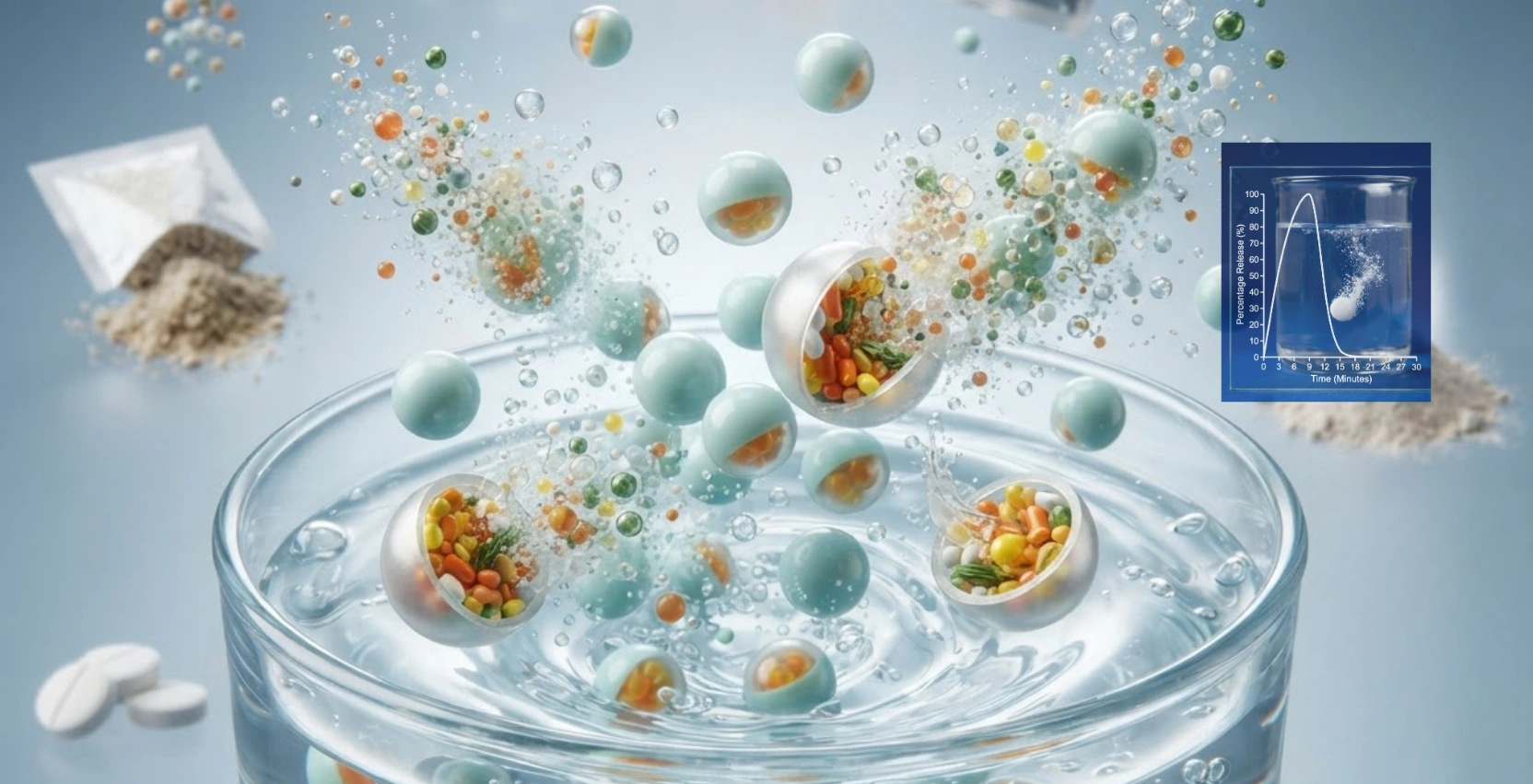
Discover how immediate-release beadlets improve nutraceutical formulations with rapid ingredient availability, better handling, taste masking, stability, and flexibility.
Read More →
Aishwarya
29 August 2026
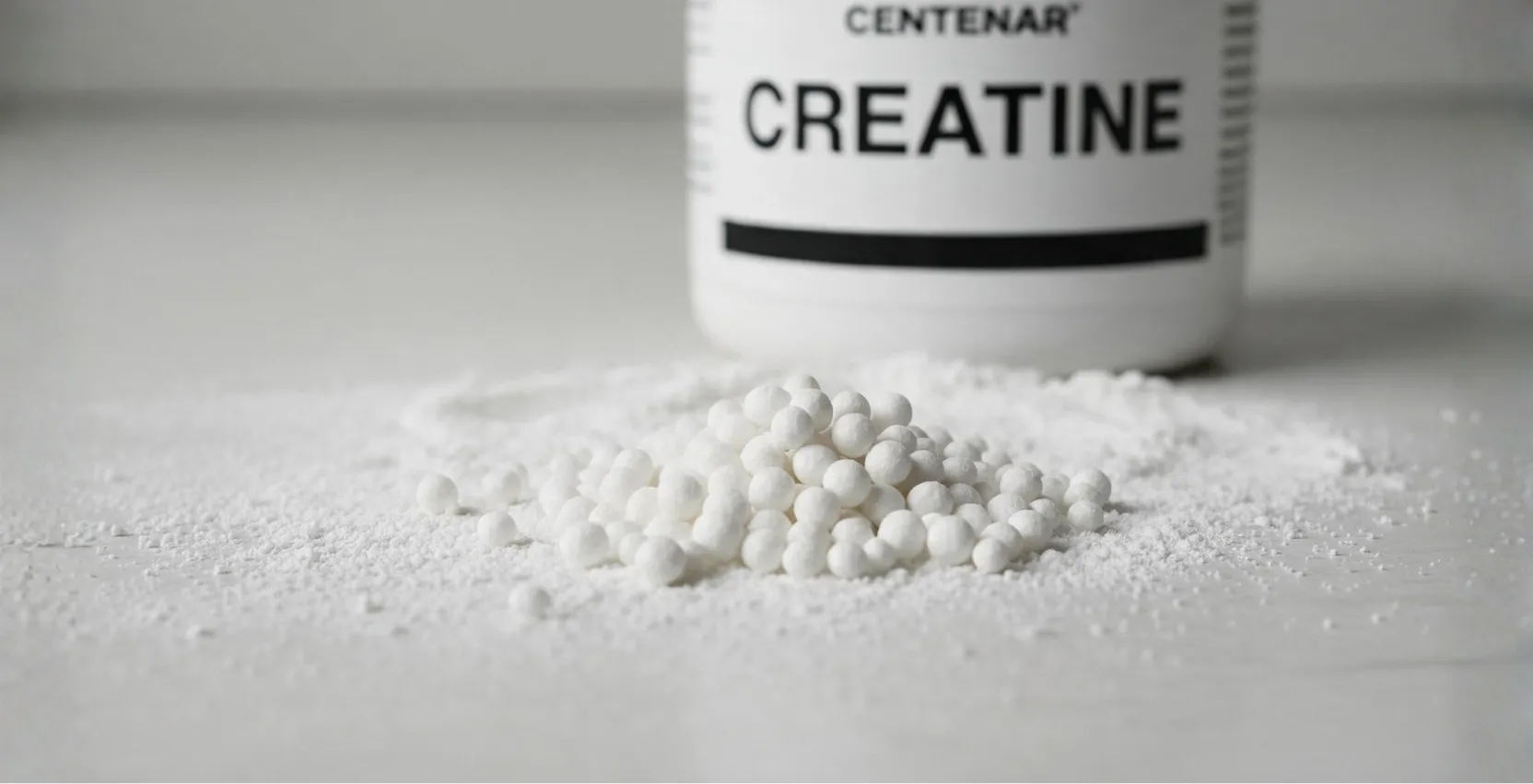
Discover how encapsulated creatine can improve stability, taste, compatibility, and processing while enabling gummies, RTD beverages, capsules, bars, and other formats.
Read More →
Aishwarya
07 August 2026
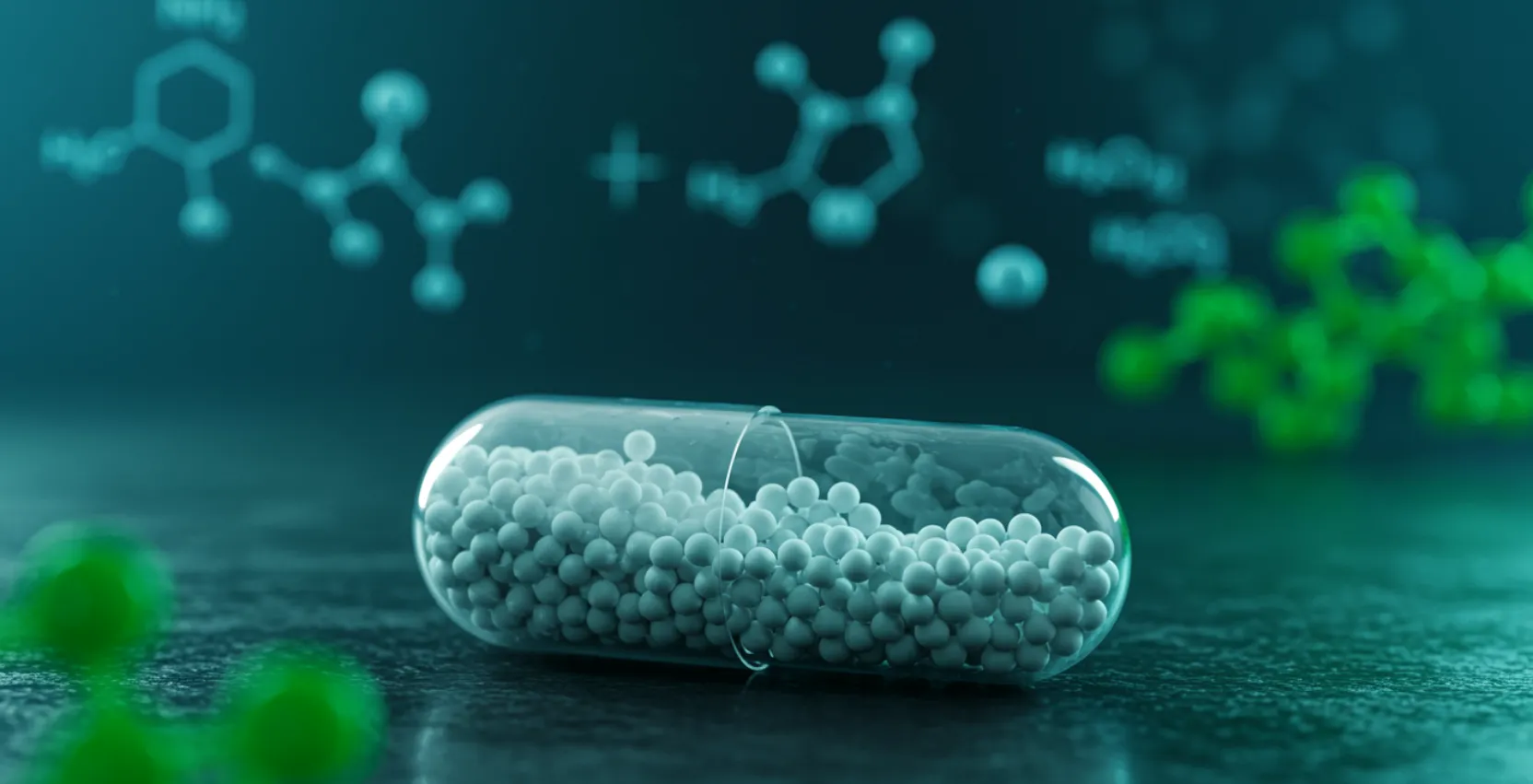
Discover how encapsulated amino acids improve sports nutrition formulations with better taste masking, enhanced stability, ingredient compatibility, and versatile applications.
Read More →

Aishwarya
03 September 2026
Discover how encapsulation transforms challenging nutraceutical ingredients into stable, formulation-ready ingredients for innovative supplement products.
Read More →

Aishwarya
06 August 2026
Discover how encapsulated beadlets improve gummy formulations by enhancing ingredient stability, masking taste, extending shelf life, and protecting sensitive actives.
Read More →
Aishwarya
29 August 2026
Discover how encapsulated creatine can improve stability, taste, compatibility, and processing while enabling gummies, RTD beverages, capsules, bars, and other formats.
Read More →

INDIA - CORPORATE OFFICE
Unit No. 1, 2nd Floor, Vicino (Mega Mall), New Link Rd, Oshiwara, Andheri West, Mumbai, Maharashtra, India. 400102
MANUFACTURING FACILITY
Unit No. 1, Survey No. 52/2, NH8, Shirsad, Vajreshwari Road, Opp. Mandvi Police Station, Village - Mandvi, Taluka- Vasai, District- Palghar 401 303, India.