Wet, fluid-bed, melt or roller granulation vs direct compression for low-dose B12 tablets: flow tests, tabletability, uniformity, coating integrity.
Written By
Komal
Published on
14 November 2026
Tags
Vitamin B12 is used in tablets in microgram amounts, which makes distribution, flowability and tablet strength major formulation issues. Factors influencing the stability of B12 may include temperature, pH, illumination and interactions with other components. This paper reviews granulation, direct compression and key quality factors for developing tablets containing encapsulated VitaSphere™B12.
Granulation improves powder flow, reduces segregation and supports tablet formation. It can improve low-dose ingredient distribution, while direct compression skips granulation but requires good flow and compression properties.
The paper discusses five manufacturing approaches:
|
Method |
Advantages |
Limitations |
|
High-shear wet granulation |
Produces dense, relatively uniform granules; improves powder handling. |
Moisture, drying heat and possible active migration. |
|
Fluid-bed granulation |
Combines granulation and drying in one unit. |
Granule properties, fines and attrition depend on process conditions. |
|
Melt granulation |
Avoids water and organic solvents. |
Processing temperature must be compatible with the active and coating. |
|
Roller compaction (dry granulation) |
Avoids liquid and drying heat. |
Mechanical stress, coating damage, fines and reduced tabletability may occur. |
|
Direct compression |
Simple process with fewer steps; avoids granulation moisture and heat. |
Requires good powder flow and control of segregation and content uniformity. |
Each formulation should be evaluated according to its own requirements and complexities. The stability of vitamin B12, the characteristics of the encapsulated ingredients, the compatibility of excipients and the required tablet quality should determine the process to be used.
The issue with powder flow is that inconsistent die filling will produce tablets with varying weights, which may contribute to dose variation. This paper describes common methods used to screen powder flow.
|
Parameter |
Formula / Measurement |
Interpretation |
|
Bulk Density |
Mass / Bulk volume |
Density of loosely filled powder. |
|
Tapped Density |
Mass / Tapped volume |
Density after a defined tapping procedure. |
|
Carr Index (CI, %) |
[(Tapped density − Bulk density) / Tapped density] × 100 |
Indicates powder compressibility and flow behaviour. |
|
Hausner Ratio (HR) |
Tapped density / Bulk density |
Indicates powder packing and flow behaviour. |
|
Angle of Repose |
tan θ = Height / Radius |
Estimates flow based on the angle of a powder cone. |
|
Shear-cell / Powder Rheometer |
Testing under applied stress |
Provides additional flow information for borderline or inconsistent powders. |
|
Parameter |
Definition / Formula |
Importance |
|
Compressibility |
Change in solid fraction with compaction pressure. |
Indicates powder densification. |
|
Tabletability |
Relationship between compaction pressure and tablet tensile strength. |
Evaluates tablet strength during compression. |
|
Compactibility |
Relationship between tablet tensile strength and solid fraction. |
Helps compare formulations and support scale-up. |
|
Tensile Strength |
σt = 2F / (πdt) |
For flat-faced round tablets; F = breaking force, d = diameter, t = thickness. |
|
Heckel Equation |
ln [1 / (1 − D)] = KP + A |
Evaluates powder deformation behaviour; mean yield pressure = 1/K. |
|
Parameter |
Description |
Key Point |
|
Content Uniformity |
Low-dose ingredients may show high variability. RSD (%) ≈ 100/√N, where N is the mean number of active-bearing particles per tablet. |
10,000 particles ≈ 1% RSD; 100 particles ≈ 10% RSD. Theoretical estimates, not experimental VitaSphere™B12 results. |
|
Segregation Control |
Differences in particle size, density, transfer, sieving and fluidisation may cause segregation. |
Matching particle properties and minimising free fall may reduce segregation risk. |
|
Coating Integrity |
Compression may damage encapsulated particles. |
Core strength, coating flexibility and thickness, and cushioning excipients can affect particle survival. Findings from other coated-pellet systems require validation for VitaSphere™B12. |
Quality evaluation
Tableting performance depends on powder flow, particle size distribution, compression properties and coating quality. The suitability of each VitaSphere™B12 grade must be verified using the manufacturer’s data as well as formulation tests related to content uniformity, tablet strength and coating performance after compression.
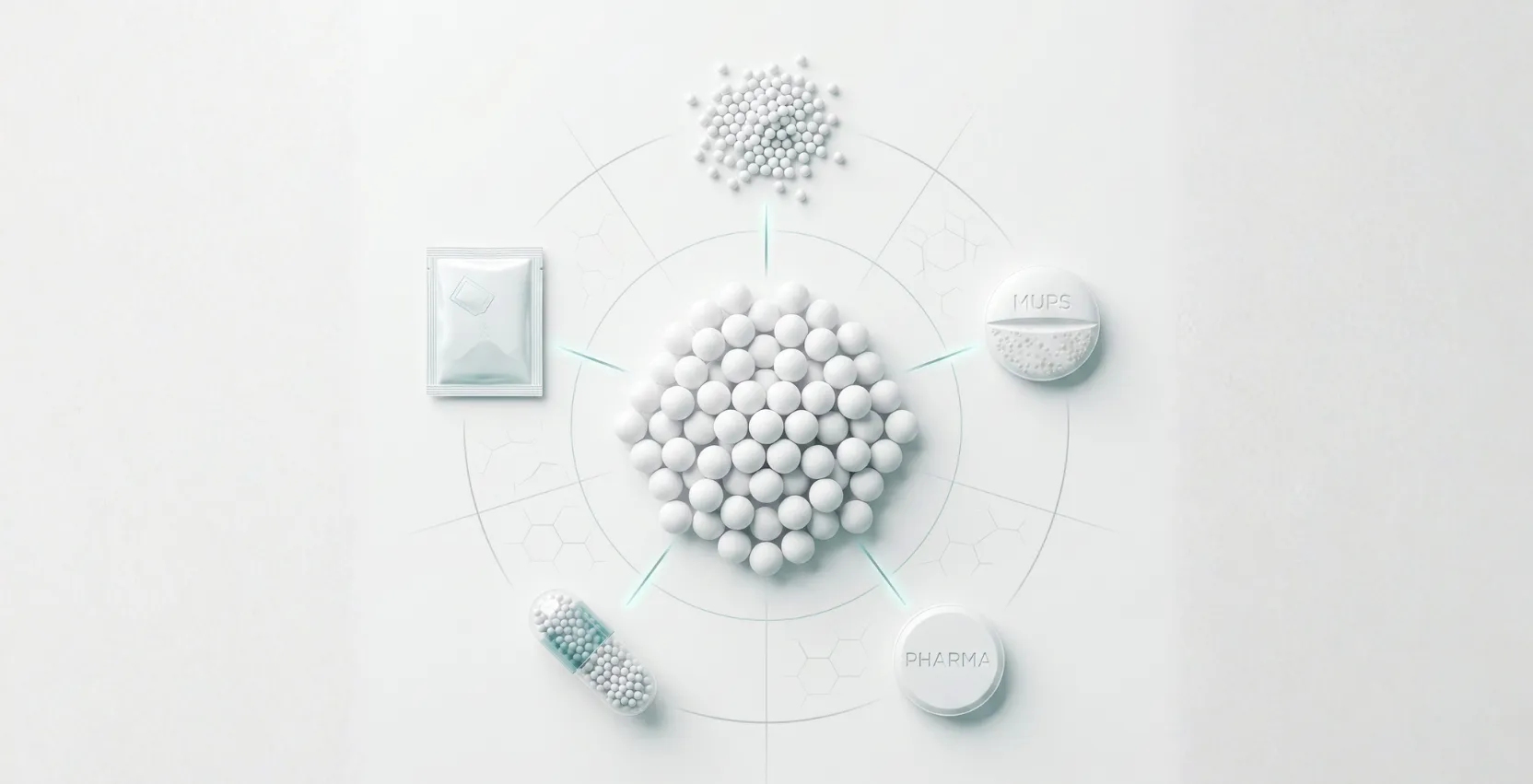
Komal
09 October 2026
Where B12 is lost in tablets, capsules, gummies, lozenges, drink powders, fortified foods and premixes, and which VitaSphere™ B12 grade to trial.
Read More →
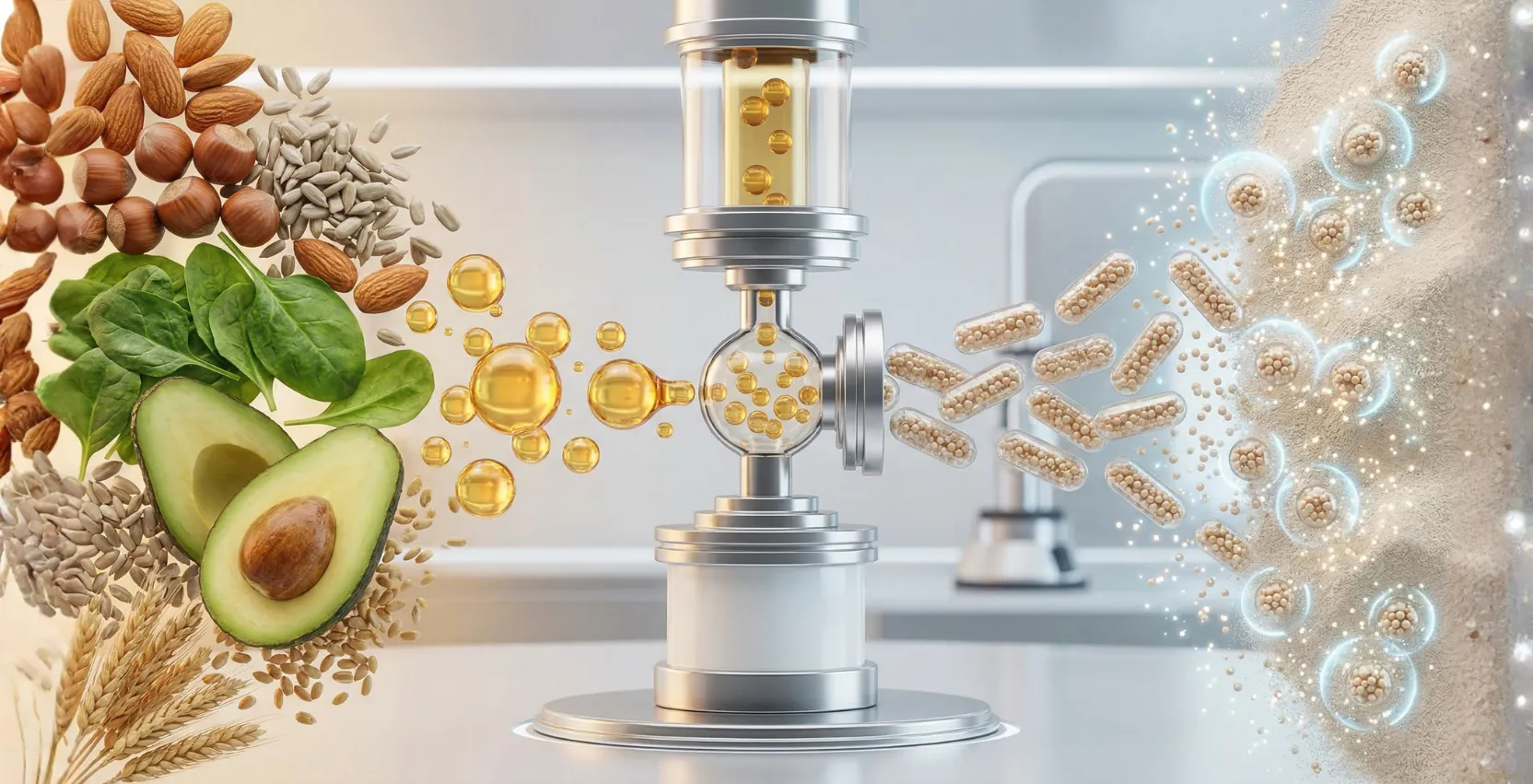
Komal
07 October 2026
Why microgram B12 doses need encapsulation: content uniformity, pink speckling, spray drying vs fluid-bed vs lipid coating, and how to vet a grade.
Read More →
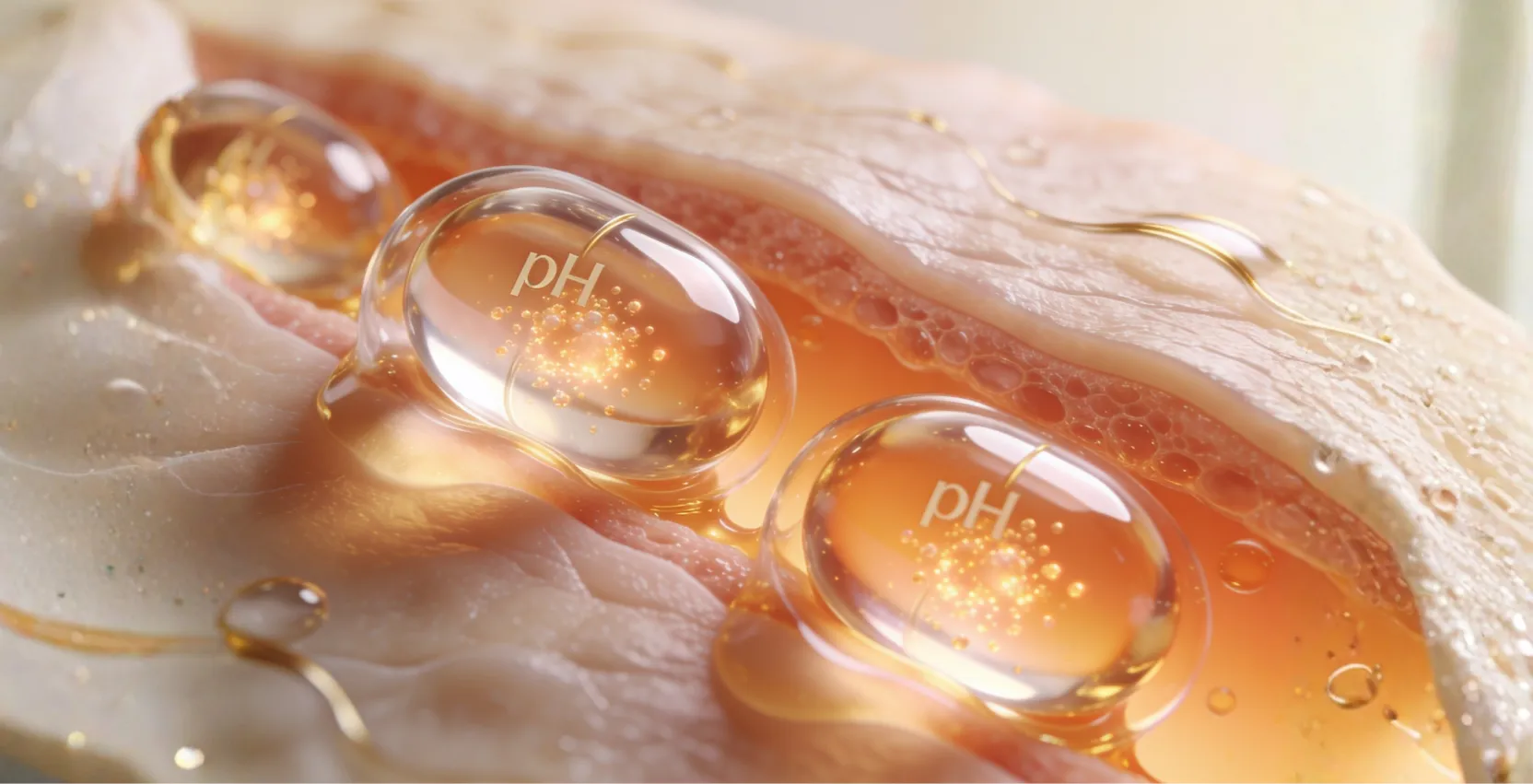
Komal
18 November 2026
How cobalamin degrades under light, pH, heat and vitamin C, how to predict B12 shelf life, design ICH stability studies and calculate overage.
Read More →
Komal
09 October 2026
Where B12 is lost in tablets, capsules, gummies, lozenges, drink powders, fortified foods and premixes, and which VitaSphere™ B12 grade to trial.
Read More →
Komal
07 October 2026
Why microgram B12 doses need encapsulation: content uniformity, pink speckling, spray drying vs fluid-bed vs lipid coating, and how to vet a grade.
Read More →
Komal
18 November 2026
How cobalamin degrades under light, pH, heat and vitamin C, how to predict B12 shelf life, design ICH stability studies and calculate overage.
Read More →

INDIA - CORPORATE OFFICE
Unit No. 1, 2nd Floor, Vicino (Mega Mall), New Link Rd, Oshiwara, Andheri West, Mumbai, Maharashtra, India. 400102
MANUFACTURING FACILITY
Unit No. 1, Survey No. 52/2, NH8, Shirsad, Vajreshwari Road, Opp. Mandvi Police Station, Village - Mandvi, Taluka- Vasai, District- Palghar 401 303, India.